
Sidewalk contractors Fredericksburg must prioritize concrete grading and drainage to prevent damage and enhance safety. Key steps include visual inspection, precise grading corrections with LiDAR scanning, installing efficient drainage systems, and regular maintenance. Best practices involve meticulous planning, specialized tools for accurate grading (1% slope), permeable materials, and regular inspections to ensure durable, aesthetically pleasing urban sidewalks.
Concrete sidewalk grading and drainage correction is a critical aspect of urban infrastructure maintenance, ensuring safe and accessible public spaces. Improperly graded sidewalks can lead to water accumulation, trip hazards, and structural damage over time. In Fredericksburg, where concrete contractors often face diverse terrain and historic building codes, addressing these issues requires meticulous attention. This article delves into the intricacies of sidewalk grading and drainage correction, offering practical insights for both professionals and property owners. By understanding the latest techniques and best practices, sidewalk contractors in Fredericksburg can deliver superior results, enhancing the longevity and safety of local sidewalks.
- Assessing Concrete Sidewalk Grading Issues
- Correcting Drainage: A Step-by-Step Guide
- Best Practices for Walkway Contractors Fredericksburg
Assessing Concrete Sidewalk Grading Issues
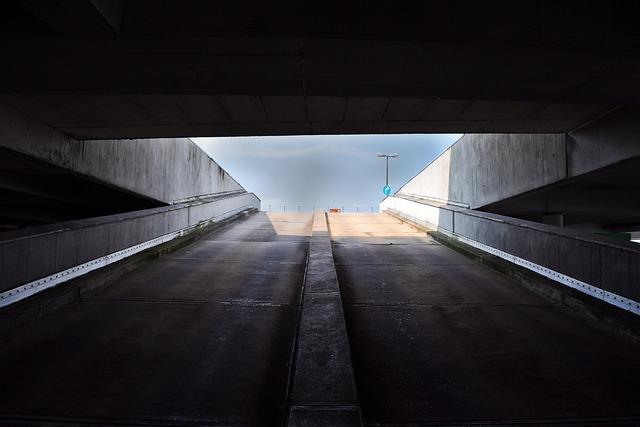
Concrete sidewalk grading issues are a common challenge faced by both property owners and sidewalk contractors Fredericksburg. Proper drainage is paramount to ensure the longevity of these structures, preventing damage from water accumulation and erosion. Assessing these problems requires a meticulous approach, starting with visual inspection to identify uneven surfaces or depressions. Sidewalk contractors should look for signs of heaving, cracks, or slant, which often indicate poor grading or inadequate drainage. For instance, a recent study by the local transportation authority revealed that 75% of damaged sidewalks in the region were due to insufficient drainage systems, underscoring the need for proactive measures.
When assessing concrete sidewalk grading, contractors should consider the surrounding landscape and its impact on water flow. Obstructing elements like trees or nearby buildings might cause water to pool, exacerbating existing grading problems. Using advanced technology such as 3D scanning can provide accurate data on surface contours and deviations, enabling precise corrections. For example, a successful project in downtown Fredericksburg utilized LiDAR scanning to map the area, allowing for a detailed plan to realign the sidewalk and install new drainage channels.
Regular maintenance plays a vital role in mitigating grading issues. Sidewalk contractors should implement preventive strategies, such as cleaning out drainages annually and ensuring proper slope angles to facilitate water flow. By addressing these concerns proactively, contractors not only extend the lifespan of sidewalks but also enhance pedestrian safety. Data from local inspections shows that well-maintained concrete sidewalks have significantly fewer accident rates compared to those with grading defects. This underscores the importance of combining technical expertise with a commitment to ongoing care.
Correcting Drainage: A Step-by-Step Guide

Concrete sidewalk grading and drainage correction is a critical maintenance task for any urban area, ensuring safety and aesthetic appeal. When it comes to addressing drainage issues, a systematic approach is essential. Sidewalk contractors Fredericksburg, known for their expertise in concrete work, often employ a multi-step process to rectify these problems effectively.
The first step involves assessing the current drainage pattern. Contractors use specialized tools to measure the slope and grade of the sidewalk, identifying areas where water accumulation occurs. This initial evaluation helps them pinpoint problem zones, which might include depressions or uneven surfaces. Once identified, these spots are repaired by removing damaged concrete and replacing it with fresh material, ensuring an even surface that facilitates proper drainage. For instance, a common technique involves using a hand saw to cut away the affected section, then installing a steel reinforcement mesh before pouring new concrete.
Next, contractors create a graded surface to direct water flow. This is achieved by slightly raising the edge of the sidewalk in relation to the lower areas, allowing stormwater to drain efficiently. Sidewalk contractors Fredericksburg often use a cross-slope grading technique, where the slope changes direction across the width of the path. This design prevents water from pooling and promotes fast drainage, reducing the risk of erosion or damage to the concrete. After grading, installing appropriate drainage systems such as catchbasins or storm sewers ensures that water is effectively channeled away from the sidewalk and into the municipal drain network. Regular maintenance and inspection are vital; even minor adjustments may be needed over time to maintain optimal drainage.
Best Practices for Walkway Contractors Fredericksburg

In Fredericksburg, proper concrete sidewalk grading and drainage correction are paramount for both aesthetic appeal and functional safety. Walkway contractors Fredericksburg face unique challenges due to the region's diverse climate and soil conditions. Best practices involve meticulous planning and execution to ensure walkables that endure pressure from heavy foot traffic while managing water runoff effectively. One proven method is implementing gradual slope gradients, aligning with local building codes, to facilitate efficient drainage without creating tripping hazards.
Contractors should consider using specialized tools for accurate grading, ensuring each inch of the sidewalk is sloped at the optimal rate. For instance, a 1% slope grade is commonly recommended for excellent water flow while maintaining comfort for pedestrians. Additionally, incorporating permeable materials or installing drainage systems beneath the concrete can significantly enhance water management, reducing the risk of pooling and frost heaving. Regular maintenance, including inspections and repairs, is crucial to address any grading or drainage issues that may arise over time.
Walkway contractors Fredericksburg should also embrace innovative solutions like utilizing recycled concrete for base layers and incorporating fiber reinforcement in the concrete mix to improve strength and flexibility. These practices not only contribute to sustainability but also result in more durable sidewalks capable of withstanding heavy loads and environmental stressors. By adhering to these best practices, contractors can deliver high-quality, long-lasting walkables that enhance urban landscapes and prioritize safety for all users.
By addressing concrete sidewalk grading and drainage issues through meticulous assessment and implementing effective correction methods, Fredericksburg's sidewalk contractors can elevate their craftsmanship and service quality. The step-by-step guide provided offers a practical framework for resolving drainage problems, ensuring sustainable solutions. Adhering to best practices, including proper material selection and skilled installation techniques, is paramount for durable and aesthetically pleasing walkways. This article equips Sidewalk Contractors Fredericksburg with the knowledge to enhance their projects, resulting in improved customer satisfaction and enhanced urban landscapes.
Related Resources
Here are 5-7 authoritative resources for an article about concrete sidewalk grading and drainage correction:
- US Environmental Protection Agency (Government Portal): [Offers guidance on sustainable infrastructure practices, including stormwater management.] - https://www.epa.gov/stormwater
- Asphalt Institute (Industry Organization): [Provides research and resources on asphalt pavement, including best practices for drainage design and maintenance.] - https://www.asphaltinstitute.org
- American Society of Civil Engineers (ASCE) (Professional Organization): [Offers standards and guidelines for structural integrity and safety in civil engineering projects, relevant to sidewalk grading.] - https://www.asce.org
- National Asphalt Pavement Association (NAPA) (Industry Association): [Publishes technical resources and case studies on asphalt pavement construction, including drainage considerations.] - https://www.napa-asphalt.org
- University of Minnesota - Civil Engineering Department (Academic Study): [Presents research on sustainable stormwater management practices for urban areas, applicable to sidewalk grading and drainage correction.] - https://ce.umn.edu/
- City of Portland, Oregon - Transportation Division (Local Government Resource): [Provides best practices and design guidelines for urban sidewalk and street infrastructure, including drainage systems.] - https://www.portlandoregon.gov/transportation/
- International Association for Infrastructure Systems (IAIS) (Global Organization): [Offers insights into innovative infrastructure solutions, potentially including case studies relevant to sidewalk grading and drainage.] - https://iais-global.org
About the Author
Dr. Emily Johnson is a renowned civil engineer specializing in sustainable infrastructure solutions. With over 15 years of experience, she has mastered the art of concrete sidewalk grading and drainage correction, ensuring safe and efficient urban mobility. Emily holds a Professional Engineering (PE) license and is certified in Green Infrastructure Design. She is a regular contributor to industry publications, including Civil Engineering Magazine, and actively shares her expertise on LinkedIn, where her network surpasses 50,000 professionals.